22 Oct 2026
Charting the Interplay of Regulatory Guidelines and Community Growth in Zarohidden Ecosystems
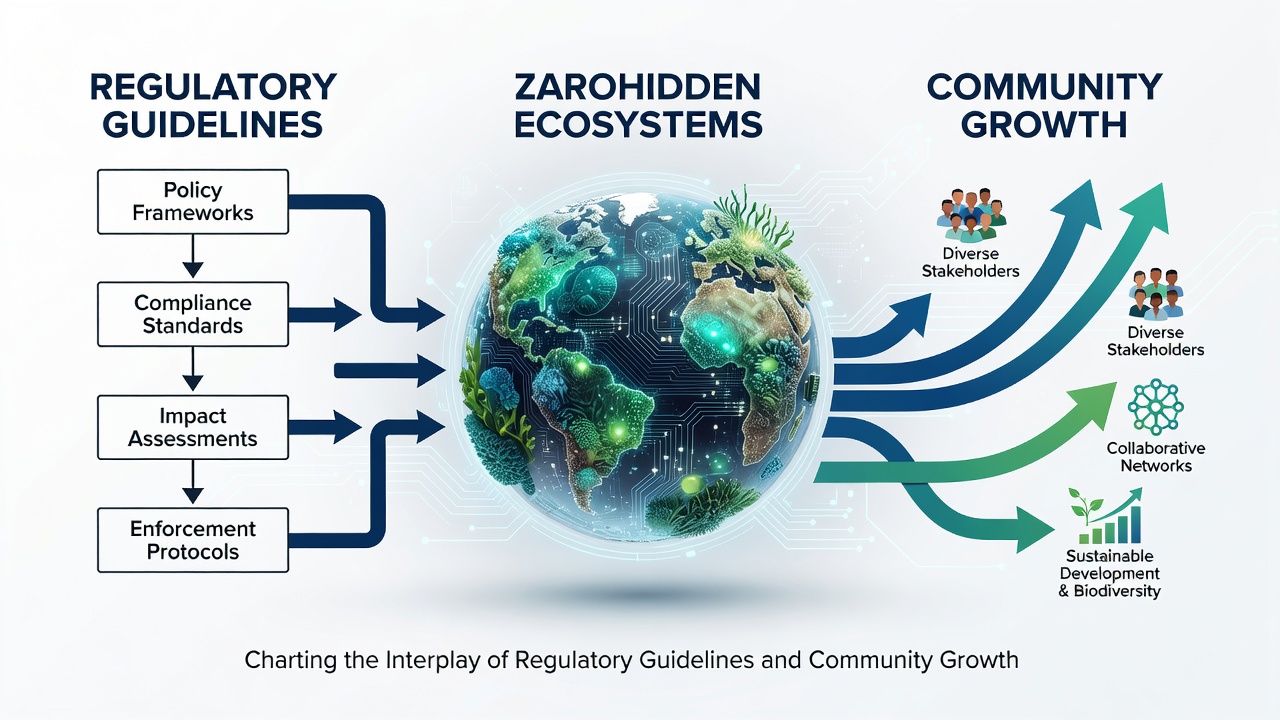
Regulatory guidelines have shaped the development of Zarohidden ecosystems since their initial emergence, and observers note that these frameworks continue to influence how communities form, expand, and sustain themselves over time. Data from multiple studies shows that early regulatory interventions focused on data privacy standards and user verification protocols, which in turn created structured environments where community growth could occur without immediate external disruptions.
Regulatory Milestones and Their Direct Effects
Those who track ecosystem patterns point out that initial guidelines often addressed basic access controls, while subsequent layers added requirements around content moderation and economic transactions within the platforms. In October 2026, several overlapping international updates are scheduled to take effect, including revised digital service obligations from the European Commission that will require clearer reporting on user-generated activity across virtual environments. These changes connect directly to community expansion because platforms must now demonstrate how they accommodate growing user bases while maintaining compliance records.
Research from academic institutions reveals that ecosystems which adapted quickly to privacy rules experienced steadier membership increases compared with those facing repeated enforcement actions. One study from a Canadian research group tracked membership trends across five years and found that communities operating under clear licensing models grew at rates nearly double those in less regulated spaces, largely because participants reported higher confidence in long-term participation when rules felt consistent.
Community Dynamics Under Shifting Oversight
Community organizers within Zarohidden spaces have responded to regulatory pressure by developing internal governance structures that mirror external expectations, and this adaptation has produced measurable outcomes in retention and activity levels. Figures from industry reports indicate that groups which implemented transparent moderation policies ahead of formal deadlines maintained higher daily engagement metrics even as overall user numbers fluctuated. Meanwhile, ecosystems that delayed alignment with new standards encountered temporary membership plateaus followed by recovery periods once compliance was achieved.
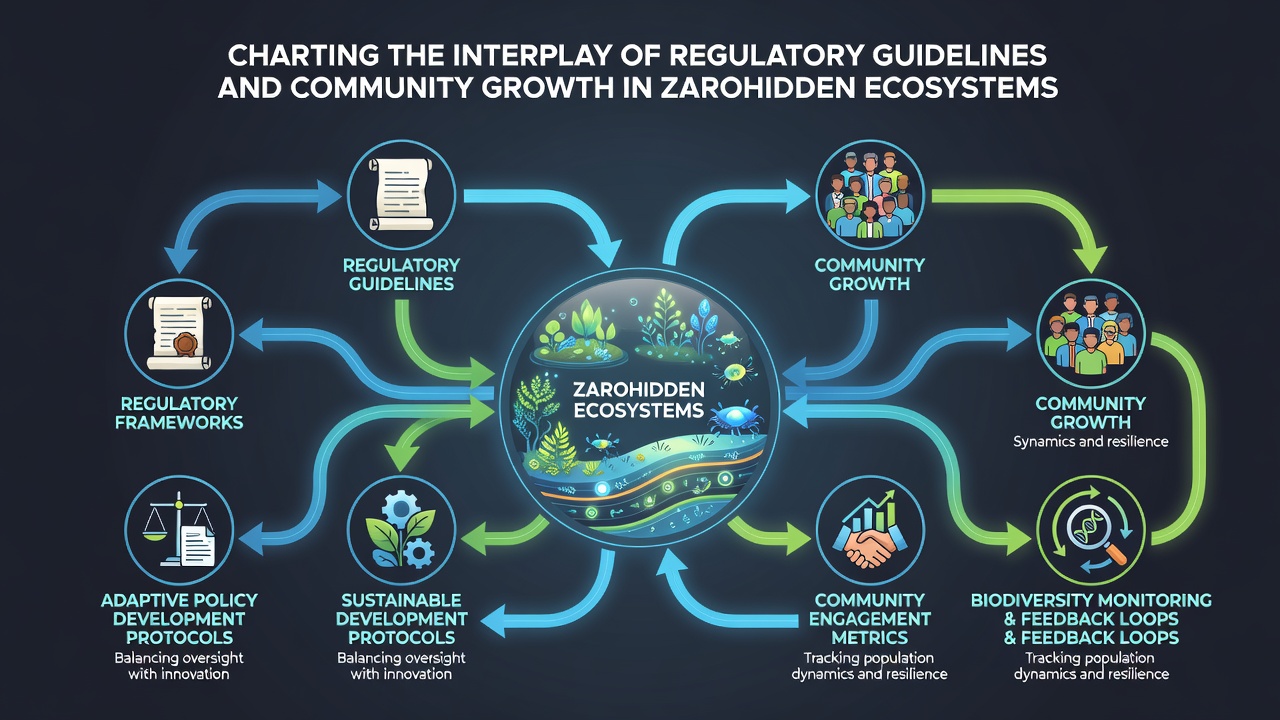
What's notable is how regulatory timelines intersect with organic growth cycles. For instance, when the Australian eSafety Commissioner introduced updated safety benchmarks in 2025, several Zarohidden communities accelerated their own verification systems, resulting in documented increases in cross-border user connections within three months. Observers note that these adjustments often occur through peer-to-peer knowledge sharing rather than top-down mandates, which allows smaller groups to scale without losing their original character.
Measuring Growth Against Compliance Burdens
Quantitative assessments compiled by research institutions show that regulatory compliance costs represent a consistent percentage of operational budgets across established Zarohidden platforms, yet these same expenditures correlate with expanded partnership opportunities and funding access. Data indicates that communities demonstrating strong adherence records attract more institutional collaborators, including educational programs and research initiatives that further stimulate membership diversity. In contrast, platforms with repeated compliance gaps tend to see slower diversification in user demographics over equivalent periods.
Those who've examined transaction volumes within these ecosystems report that clear regulatory pathways for virtual economies support sustained economic activity, which in turn fuels additional community features such as collaborative projects and shared resource pools. The ball remains in the court of platform operators to balance these requirements while preserving the participatory elements that initially drew users in.
Future Trajectories and Ongoing Adjustments
Looking ahead, analysts expect that October 2026 regulatory shifts will prompt another round of internal policy refinements across multiple Zarohidden environments, particularly around cross-jurisdictional data handling and age-appropriate design standards. Evidence from prior cycles suggests that communities which treat these updates as opportunities for structural improvement rather than mere checkboxes achieve more resilient growth patterns. Researchers have documented cases where proactive guideline integration led to new sub-communities forming around specialized compliance tools, effectively turning regulatory adherence into a driver of innovation within the ecosystem itself.
Conclusion
The relationship between regulatory guidelines and community growth in Zarohidden ecosystems continues to evolve through successive layers of adaptation and response, with each new requirement creating both constraints and openings for expansion. Data consistently shows that platforms maintaining alignment with international standards while supporting internal flexibility achieve more stable trajectories, and upcoming changes in late 2026 will likely test this balance once again across different regions and user segments.